
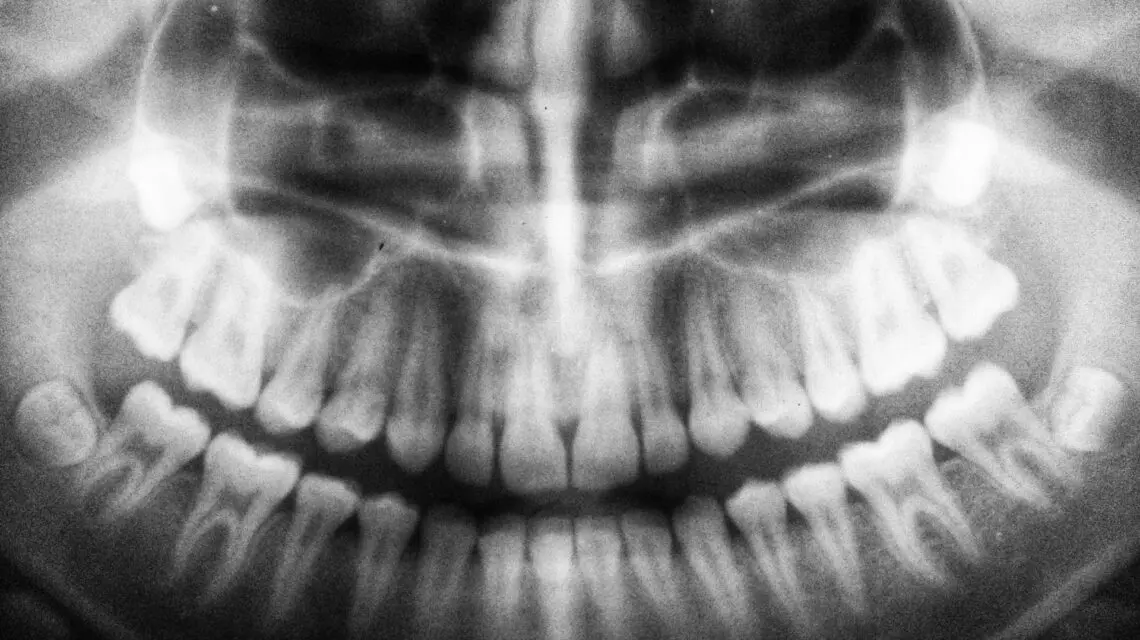
Between the ages of 17 and 25, you might start to notice a few twinges of pain in the back of your mouth or your teeth shifting slightly. This can be wisdom teeth growing in.
Yes, you are a grown-up.
No, they aren’t baby teeth.
Yep, there are more teeth, 4 of them to be exact.
The last set of teeth to grow in are your “wisdom teeth” or third molars. They are considered to be vestigial, a fancy way of saying unneeded. In fact, some people don’t even have them!
Do You Even Need Wisdom Teeth?
Typically, wisdom teeth are not worth the pain of having them erupt. They can help support your jawbone’s strength when they’re healthy and there’s enough room for them in your mouth.
The problem is that for many people, they do not grow properly, which can cause pain and other issues. They can be impacted, and fail to emerge fully, or they might crowd your other teeth and cause shifting. That’s why most people get their wisdom teeth removed.
The Trouble with Wisdom Teeth
- They can be difficult to keep clean, and often become a breeding ground for cavity-causing bacteria.
- They can crowd your other teeth, causing them to shift. This can not only change your smile, but also cause pain.
- They could be impacted, which means they are stuck inside your gums. Impaction can be painful and lead to infections.
Wisdom Tooth Extraction Is a Very Common Procedure
Most people get their wisdom teeth removed in their late teens or early 20s. Your dentist will plan to remove them before they cause you significant pain. If you wait, they could cause problems later on. Waiting could force you to spend time and money on orthodontic treatments for fixing shifted teeth.
Your dentist may recommend removal based on your dental x-rays, the movement of your teeth, and your predisposition toward cavities or gum disease. The extraction can usually be performed by your dentist at their office. However, in some rare cases, you may have to see an oral surgeon.
Steps for Removal:
- Local anesthesia is applied to the area to ensure it is numb. Sedation can be used if needed.
- A small incision is made to reach the tooth through the gum tissue. If the tooth is impacted, your dentist might need to make a larger incision.
- The tooth is removed with the use of dental tools.
- The area is cleaned to ensure that no debris or bacteria are left behind.
- The incision is then closed with gauze placed over the top to help with clotting and bleeding.
- At-home care needs to be followed to prevent dry socket and promote healing.
Wisdom Tooth Removal in Flagstaff, Arizona
If you are concerned about your wisdom teeth, having a conversation with a dentist should top your to-do list. Through x-rays and visual inspection, they will be able to accurately predict whether your wisdom teeth will cause problems in the future. They can advise you on whether your wisdom teeth should be removed or allowed to grow in.
If you are looking for an experienced dentist to help with wisdom tooth extractions, Dr Paul Whitney is here for you. Country Club Dental offers the best dental care in Flagstaff, Arizona. Contact us today to make an appointment.
Images used under creative commons license – commercial use (7/8/25). Photo by Umanoide on Unsplash.