
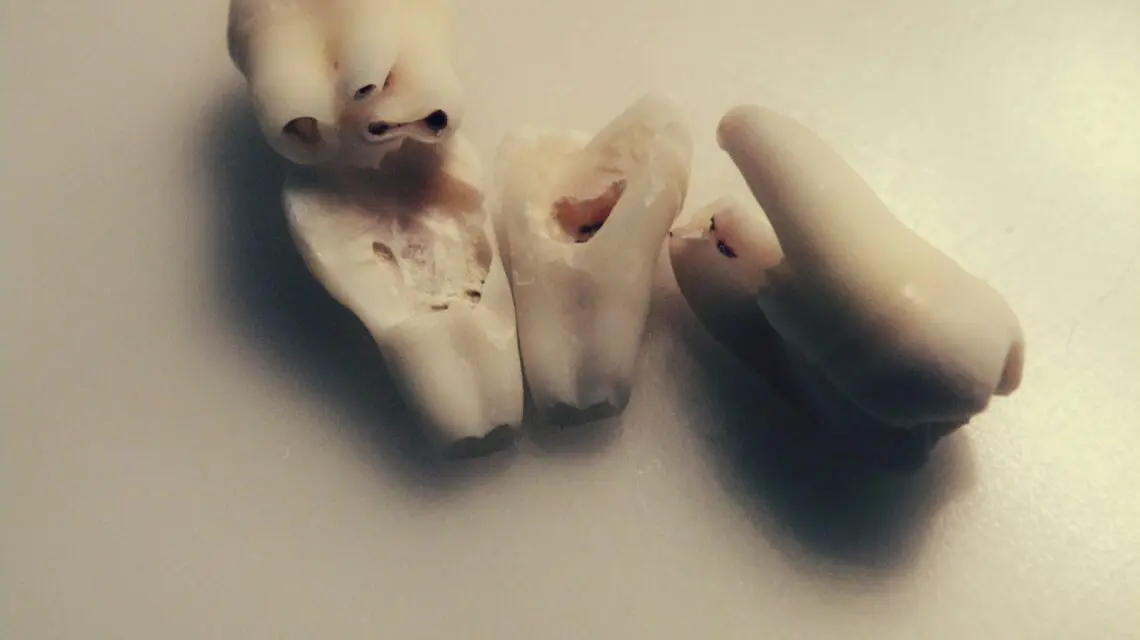
Chipping or breaking a tooth is nothing to take lightly. In fact, chipping a tooth can sometimes be a dental emergency. If the internal structure of the tooth is exposed, or if you’re in any pain, you should see a dentist urgently. Even if you’re not in pain, a chipped tooth can easily become more damaged or infected.
Teeth can be chipped by chewing on hard objects like toothpicks, ice, or plastic stir sticks. Accidents like being hit in the mouth with a baseball, falling off a bike, or even colliding with a dog’s hard head can chip a tooth. Cavities and decay can also cause a tooth to break.
But don’t worry! If you ever chip a tooth, there are several steps you can take to prevent pain. Then you’ll just need to keep the tooth clean until you can see a dentist.
What to Do After Chipping a Tooth
Step 1: Call Your Dentist
A chipped tooth is always a reason to call your dentist. Depending on the extent of the damage, your dentist will decide if or when you need to come in. For small chips that do not hurt, you might not need to see a dentist right away, and instead can wait for several weeks for an appointment. However, if you are in pain or you’re missing more than a quarter of your tooth, always ask for a same-day appointment.
Step 2: Save The Fragments of The Tooth
Just like when you lose a tooth, you should do your best to save the fragments. In some cases, they can be reattached. The best way to store your tooth as you head into the office is to put it in a cup of whole milk or keep it between your gums and cheek. Do not rinse the tooth fragments or leave them to dry out.
Step 3: Rinse Your Mouth With Water
Rinse your mouth out with plain water. This will help remove debris and bacteria from the area and reduce your risk of infections. Keep drinking lots of water as well. This will keep you hydrated, increase saliva production, keep the chipped tooth clean, and fight plaque buildup.
Step 4: Take Some Pain Relievers
If the area is especially painful, you can take a few over-the-counter pain relievers. Ibuprofen (Advil) is typically recommended for dental pain because it also treats inflammation. However, if you are unable to take NSAIDs, acetaminophen (Tylenol) will work as well.
Step 5: Cover Sharp Parts
Sometimes, when a tooth chips it can leave sharp shards exposed. To avoid cutting your cheek or tongue, you can cover the sharp part with orthodontic wax. It can be found near the toothpastes in most drug stores. If you are in a real pinch, you can use a chewed piece of sugarless gum.
How a Dentist Will Fix Your Chipped Tooth
Depending on the extent of damage, there are several ways your dentist can fix you up. Along with restorations to repair the damage, your dentist may also prescribe antibiotics to reduce the risk of tooth infections.
- Fillings
For small chips, your dentist can fill in any missing space with the same material used for fillings.
- Crowns
If a large portion of your tooth is missing, you might need a crown. This custom-made “cap” fits over the base of the tooth to protect the root from damage and infections.
- Inlays or Onlays
These restorations are like smaller versions of crowns. They repair areas that are too large for a filling, but they preserve more of the natural tooth than a crown.
- Veneers
Veneers are thin layers of sculpted porcelain that cover the outer surfaces of your front teeth. They can correct gaps, chips, and stains.
Expert Dental Care in Flagstaff, Arizona
Chipping a tooth is not something to ignore—damaged teeth are weaker and vulnerable to infections and fractures, so don’t delay. Dr. Paul Whitney practices a full scope of general and cosmetic dentistry, with expertise ranging from teeth whitening to porcelain veneers and crowns. If you chipped a tooth, don’t delay! Make an appointment at Country Club Dental today.
Images used under creative commons license – commercial use (7/8/25). Photo by Mandy Bourke on Unsplash