
Do you typically wake up with headaches? Do you hear a “popping” sound when you chew? Do you ever have trouble opening your mouth wide enough to bite your sandwich or burger? Does it feel like your teeth don’t quite fit together the right way?
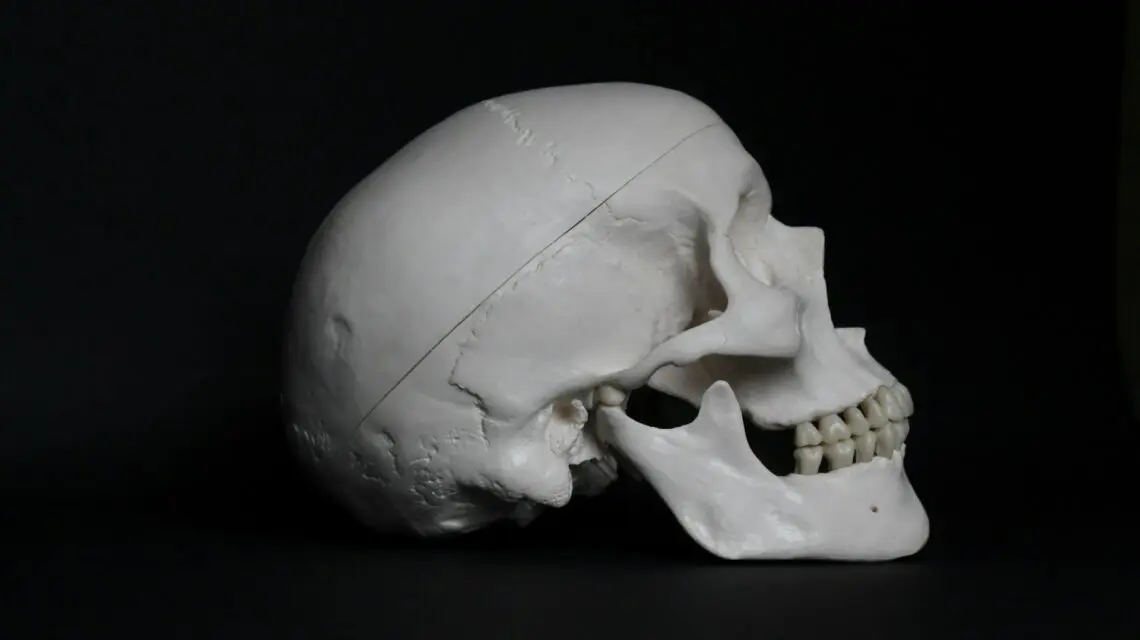
These are all signs of a temporomandibular joint disorder. The temporomandibular joint is a sliding hinge joint that connects your mandible (jawbone) to your skull. It allows you to chew, speak, and open and close your mouth.
Since there are many different types of temporomandibular joint disorders, there are several different symptoms you might encounter. If you are experiencing any symptoms that might be related to your jaw, we suggest contacting your dentist for an appointment as soon as possible.
Seven Symptoms of TMD
1. Jaw, Face, Neck, Shoulder, and/or Upper Back Pain
Pain in the jaw and cheeks is the most common symptom of TMD. However, for some, the pain can radiate down the neck and even into the shoulder or upper back. Typically, the pain is worse in the morning, but it can last all day.
2. Numbness in the Jaw or Face
Often seen in those who have been suffering with a TMD for a while, numbness can be a symptom that something is wrong with the nerves in the area.
3. Jaw Stiffness or Lockjaw
Being unable to open or close your jaw is an emergency. If your jaw has locked up, you should get medical attention ASAP. Mild stiffness can wait for an appointment, but both point toward a problem that needs to be addressed.
4. Strange Noises from Your Jaw
Snap, crackle, and a pop? If your law is sounding like a bowl of Rice Krispies, you should make an appointment with your dentist. These noises are typically the cartilage of the joint moving out of place.
5. Headaches
Clenching, grinding, and other pressures on the jaw can cause headaches. These headaches are often continuous and dull. And Squeezing is normally felt in the temples, behind the eyes, and around the ears.
6. Earaches/Tinnitus
Because the jaw and the ear canal are so close to each other, TMD disorders can cause earaches and even tinnitus (ringing of the ears).
7. Changes in Your Bite
Because they affect the way your jaw fits together, TMJ disorders can also cause changes in your bite. These misalignments can make it more difficult to chew or speak, and may lead to jaw clenching and bruxism, because the jaw can’t relax properly.
Worried About TMD? Country Club Dental Can Help
If you have concerns about your oral health, you need an expert. Our dentist, Dr. Paul Whitney, can diagnose TMJ disorders using a physical examination, x-rays, and other tools. Getting a diagnosis is the first step toward getting rid of your pain so it can stop disrupting your life.
Don’t wait for the pain to become too much! Contact us today to make an appointment.
Images used under creative commons license – commercial use (1/10/2026). Photo by Anne Nygård on Unsplash.